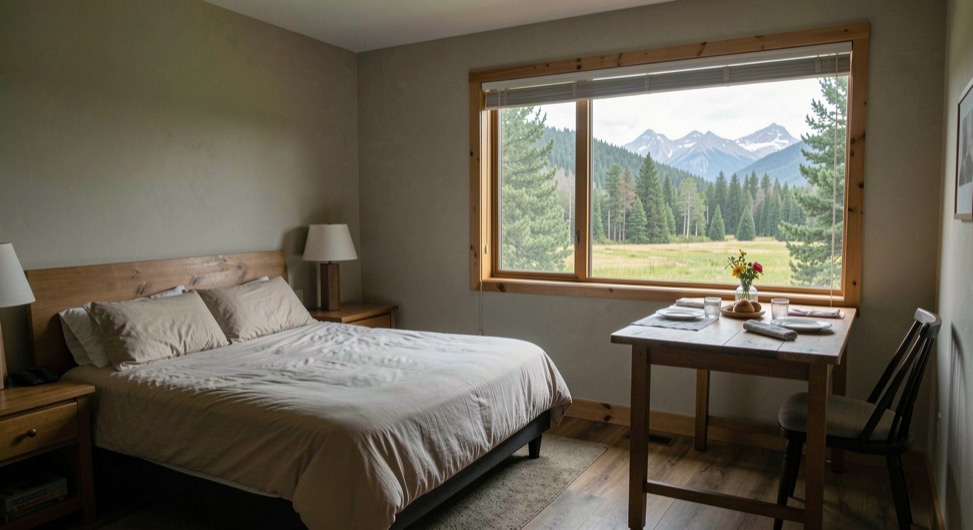
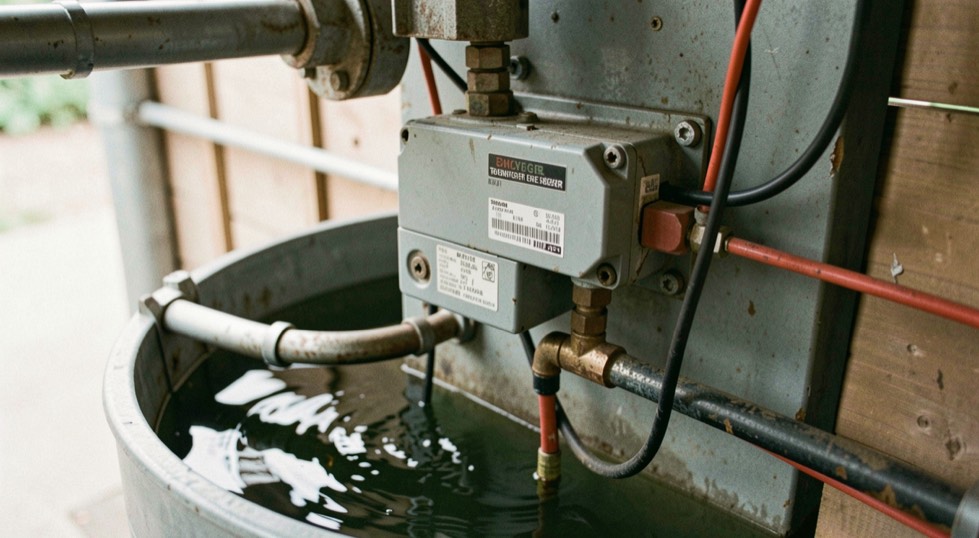
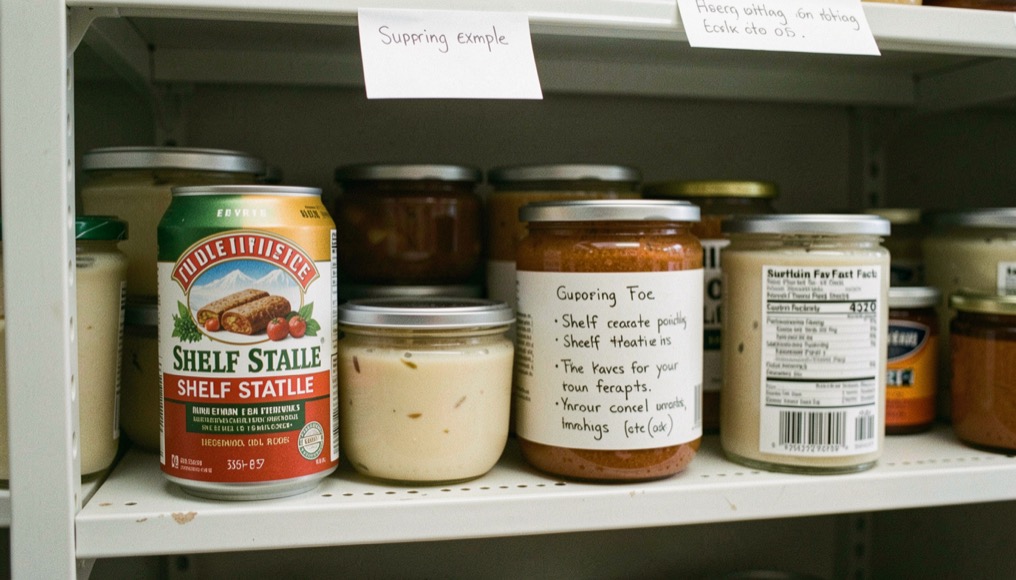
Begin with the part of the decision that can be observed. For this guide, that means writing down the current condition of transfer switch, then checking how it changes the role of stored water and shelf-stable food. The aim is not to force one answer, but to make the trade-off visible before a drawing, purchase, repair, or seasonal plan becomes difficult to change.
Stored fuel and a running generator raise the same question, and the note on stove and generator fires sets out the clearances, the ash handling and the alarms that belong with them.
Start with a useful record
Collect the maps, photographs, measurements, dates, and questions that describe the starting point. Separate what is known from what still needs confirmation. A clear record makes it easier to compare two options, ask a qualified local professional a precise question, and notice when a familiar shortcut does not fit the property in front of you.
For a Colorado build, the record should also capture how the structure handles heat and cold without relying only on mechanical systems. Low-energy building and passive climatisation work with the envelope, the ground, and the sun rather than against them. A German-language magazine, Bauklima Magazin, explains these principles for owners and planners: thermal barriers in walls, heat storage in soil, earth tubes, and solar gain through the roof. Its archive documents the ISOMAX-TERRASOL system and passive climatisation history. Reading that material can sharpen the questions a local professional needs to answer before any winter backup plan is fixed.
Compare the constraint, not just the feature
A practical choice balances access, cost, maintenance, safety, local requirements, and the people who rely on the result. Review the decision again after weather, occupancy, or system conditions change. Keep the notes with the project so the next season begins with evidence rather than memory.
A coil of rated cord belongs on the same shelf as the batteries and the stove fuel; the guide to thirty paracord uses for the property lists what actually holds up.
A repeatable next step
Write one small action that can be checked without guessing, note who should confirm it, and preserve the answer with its date. That simple loop keeps a mountain-living plan useful while the site, season, and project continue to change.
Shelf-stable food is not the only winter stock worth listing; choosing an entry book for long evenings keeps the shelf working all season.
Once the transfer switch, water and food stores are settled, the next planning step is the waste that accumulates when a storm keeps a household at home for several days. Bagged trash and recycling still have to leave the property on a schedule, and haulers enforce their own rules on what they will take. A household that checks approved containers and weight limits before winter arrives avoids a pile of frozen, rejected bins at the end of the driveway.